Cannabis buds in a hand and other smoking utensils on a table stock photo

The legalization of cannabis has not only transformed the perception of the industry but has also paved the way for a burgeoning tourism sector. Legal cannabis markets have become a magnet for travelers seeking unique experiences, while simultaneously driving significant economic benefits at local, state, and national levels. This intersection of cannabis and tourism offers opportunities for communities to grow, entrepreneurs to thrive, and regions to secure sustainable revenue streams.

The Economic Impact of Cannabis Tourism

Cannabis tourism contributes directly to the financial health of regions where legalization is in effect. Tourists spend money not only on dispensaries but also on accommodations, dining, transportation, and entertainment. These activities generate tax revenue that governments can reinvest in public services such as education, infrastructure development, and healthcare.

Key economic benefits include:
Increased Tax Revenue: Sales taxes collected from dispensary purchases add millions to local budgets annually. For instance:
| State | Annual Cannabis Tax Revenue (2022) |
|—————|————————————|
| California | $1.3 billion |
| Colorado | $423 million |
| Oregon | $177 million | – Growth in Local Businesses: Hotels near dispensaries or cannabis-friendly events often report higher occupancy rates. Cafes, restaurants, and retail stores also benefit from increased foot traffic driven by cannabis-curious tourists.

Job Creation Through Cannabis Tourism

Cannabis legalization fosters job creation on multiple fronts—from cultivation facilities to retail operations and tourism-specific businesses like guided tours or “bud-and-breakfast” establishments. Some sectors directly influenced by this trend include:
Hospitality: Hotels offering cannabis-friendly accommodations are hiring more staff to cater to tourists’ needs. – Entertainment: Tour guides focusing on dispensary visits or cultivation tours have added a new dynamic to traditional travel offerings. – Retail & Service Jobs: Dispensaries require knowledgeable budtenders while ancillary businesses such as cafes or souvenir shops see increased demand.

Opportunities for Local Entrepreneurs

The synergy between cannabis legalization and tourism creates ample opportunities for innovation: 1. Cannabis Tours & Experiences: – Guided dispensary tours. – Farm-to-table dining with infused dishes. 2. Specialized Hospitality Services: – Cannabis-themed resorts or retreats. – Wellness centers offering CBD spa treatments.

By tapping into these niches, small business owners can capitalize on emerging trends while diversifying their communities’ economic base.

Social Impacts of Cannabis Tourism

Aside from financial advantages, this form of tourism has also helped normalize cannabis use by promoting education around its benefits: – Dispensaries increasingly focus on customer education about strains, consumption methods, or wellness applications. – Cultural festivals celebrating cannabis foster an inclusive environment where misconceptions surrounding its use are challenged.

However, balanced regulation remains key to ensuring that social well-being is prioritized alongside economic growth.

Legalization opens doors for regional economies by combining innovation with tradition—an opportunity no forward-thinking community can ignore when shaping its future trajectory amidst shifting societal trends.

Exploring Weed Dispensaries Akron Ohio: The Rise of Cannabis Tourism

Cannabis tourism has emerged as a significant trend in recent years, driven by the legalization and decriminalization of cannabis in various regions around the world. This evolving industry is reshaping how people travel, offering new experiences for tourists while fostering economic growth. Below is an in-depth exploration of this growing global phenomenon.

What is Cannabis Tourism?

  • Cannabis-friendly accommodations: Hotels, resorts, or Airbnbs that permit cannabis consumption on-site.
  • Dispensary tours: Guided tours that showcase dispensaries, cultivation facilities, and product offerings.
  • Workshops and classes: Lessons on cooking with cannabis, rolling techniques, or growing methods.
  • Events and festivals: Cannabis-themed gatherings, music festivals, or trade shows that attract attendees from around the globe.

These activities not only cater to seasoned consumers but also provide educational opportunities for those curious about cannabis culture.

Popular Destinations for Cannabis Tourism

Region Key Features
Amsterdam Long-standing reputation for its coffee shops and relaxed laws.
Canada Nationwide legalization with diverse dispensaries and experiences available across provinces.
Colorado (USA) A pioneer in recreational legalization with tours, events, and outdoor adventures for tourists.
California (USA) Offers wine-and-weed pairings as well as luxury retreats focused on wellness and cannabis use.
Jamaica Known for its cultural connection to cannabis through Rastafarian traditions and scenic retreats offering ganja tours.

These locations have become hotspots for travelers seeking unique ways to explore legal cannabis markets while enjoying local culture.

Factors Driving Growth

  1. Legalization Trends: More countries are adopting progressive policies around recreational use. This opens doors for international tourism tied directly to legalized markets.
  2. Public Acceptance: Shifting public attitudes toward marijuana are reducing stigma.
  3. Innovation in Offerings: Businesses are creating curated experiences like boutique stays or spa treatments infused with CBD products.
  4. Cultural Exploration: Travelers often seek destinations where they can immerse themselves in a different lifestyle — learning about local customs tied to cannabis adds another layer of intrigue.

Challenges Facing Cannabis Tourism

  • Navigating inconsistent regulations across jurisdictions.
  • Addressing concerns about over-tourism in small communities driven by novelty demand.
  • Ensuring public safety while balancing personal freedoms.

Governments must collaborate with private businesses to establish guidelines ensuring growth without compromising community well-being or safety standards.

In summary, the rise of cannabis tourism represents an exciting shift within both the travel industry and broader societal perspectives toward marijuana usage worldwide—creating opportunities while prompting thoughtful consideration about its impacts globally.

Job Creation and Entrepreneurship at a Cannabis Dispensary in Akron, OH

The cannabis industry has grown exponentially in recent years, becoming a major driver of job creation and fostering entrepreneurial opportunities. This expansion has been fueled by increasing legalization, evolving social attitudes, and rising demand for cannabis products. Here’s a closer look at how this sector is creating jobs and supporting entrepreneurship.

Job Creation Across Different Sectors

  • Roles include growers, trimmers, horticulturists, and agricultural technicians.
  • Large-scale cultivation facilities often employ hundreds of workers to meet production demands.
  • Dispensaries employ budtenders (sales associates), store managers, inventory specialists, and security personnel.
  • The customer-facing nature of dispensaries also provides opportunities for training in sales and customer service.
  • This includes roles related to extraction processes (e.g., creating oils or concentrates), food production (edibles), quality assurance testing, and packaging design.
  • These positions often require specialized technical expertise.
  • As products move from cultivation to retail stores or consumers’ doors (where delivery is legal), drivers, warehouse coordinators, distributors, and supply chain specialists play pivotal roles.
  • Cannabis brands are increasingly relying on talented marketers to differentiate themselves in a competitive market. This includes roles such as digital marketing specialists, graphic designers, social media managers, and public relations professionals.

Encouraging Entrepreneurship

  1. Product Development:
    Entrepreneurs are crafting innovative products like infused beverages, skincare solutions with CBD/THC blends, or novel methods of consumption like vape technology or dissolvable strips.
  2. Ancillary Services:
    Entrepreneurs who do not directly handle cannabis are creating businesses around support services such as software development for seed-to-sale tracking systems or offering legal compliance consulting services specific to cannabis regulations.
  3. Dispensary Start-Ups:
    Small business owners entering the retail market have an opportunity to build boutique dispensaries that cater to niche audiences through curated product selections or unique customer experiences.
  4. Sustainability-Focused Ventures:
    Start-ups promoting eco-friendly practices—such as solar-powered grow facilities or biodegradable packaging—are gaining traction as environmental consciousness becomes a consumer priority.

Challenges Facing Job Creation & Entrepreneurship

Despite its growth potential, there remain challenges within the industry that impact employment opportunities and entrepreneurship: – Regulatory hurdles vary by state/country; navigating compliance requires significant investment. – Difficulty accessing traditional banking services due to federal restrictions limits business operations. – Market saturation in regions with high dispensary density can make competition fierce for new entrants. – Stigma surrounding the industry still creates barriers for professionals transitioning into cannabis-related careers.

Table: Key Statistics on Cannabis Industry Employment

Sector Estimated Jobs Created Growth Outlook
Cultivation & Agriculture 50k–100k High
Retail/Dispensaries 75k–120k Moderate-to-high
Manufacturing 40k–80k High
Ancillary Services ~50k Steady growth

Final Thoughts

The cannabis industry serves as both an economic catalyst for job creation across sectors and a fertile ground for entrepreneurial activity. By addressing challenges like regulation complexities while continuing innovation within niches like sustainability or product development, this burgeoning field holds immense promise for sustained growth that benefits communities worldwide.

Contactless payment to buy my legal marijuana stock photo

Job Creation and Entrepreneurship Through a Marijuana Store Akron Expansion

The cannabis industry has witnessed rapid growth over the past decade, fueled by legalization trends across various regions. This expansion has not only provided access to cannabis products but has also transformed local economies by creating jobs and fostering entrepreneurship. Below, we explore how this burgeoning industry contributes to employment opportunities and supports innovative business ventures.

Job Creation in the Cannabis Industry

  • Growers, horticulturists, and trimmers play vital roles in producing high-quality cannabis products.
  • Laboratory technicians are needed for quality assurance, extraction processes, and product formulation.
  • Budtenders educate customers about strains, dosages, and safe consumption practices.
  • Store managers oversee daily operations at dispensaries to ensure compliance and profitability.
  • Drivers and supply chain specialists are critical for transporting products between farms, manufacturers, and dispensaries.
  • Marketing professionals help build brand awareness through digital campaigns, packaging design, and events.
  • Lawyers, accountants, and compliance officers assist businesses with navigating complex regulations.

Driving Entrepreneurship in Cannabis

  1. Product Development: Entrepreneurs are creating unique offerings such as edibles, beverages infused with cannabinoids (CBD or THC), topicals for pain relief or skincare benefits, and even pet-friendly CBD products.
  2. Technology Solutions: The rise of technology-focused startups includes software platforms for inventory management, seed-to-sale tracking systems required by regulators, or apps that connect consumers with nearby dispensaries.
  3. Tourism Ventures: Cannabis-friendly accommodations such as “bud-and-breakfasts,” guided tours of cultivation facilities or dispensaries attract tourists looking for immersive experiences.
  4. Ancillary Services: Business owners have also tapped into ancillary markets – from designing specialized growing equipment like LED grow lights or hydroponic systems tailored towards cannabis cultivation-specific needs.

Challenges Facing Entrepreneurs & Workers

Despite its potential impact on local economies globally expanded,newly emerging,business face some obstacles including financing difficulty potentially due stigma federally prohibition still existing many countries’ policy landscape frequently shifting unpredictably meanwhile employees themselves often contend normalizing social views regarding working associated stigma industry-related stigmas

Exploring Akron Weed Shop Culture: Promoting Responsible Cannabis Tourism and Community Well-being

As cannabis tourism becomes an increasingly significant part of the global travel industry, promoting responsible practices is essential for long-term sustainability and the well-being of local communities. Responsible cannabis tourism involves balancing economic growth with social, environmental, and cultural considerations to create a positive impact on both tourists and host regions.

Educating Tourists on Responsible Consumption

  • Legal Guidelines: Informing visitors about local laws regarding possession limits, public consumption restrictions, and age requirements.
  • Safe Usage Tips: Sharing information about proper dosing, potential side effects, and safe methods of consumption.
  • Respect for Local Norms: Encouraging tourists to respect cultural attitudes toward cannabis in the destination they are visiting.

Educational campaigns not only protect visitors but also help preserve the reputation of cannabis-friendly destinations as responsible hosts.

Environmental Sustainability in Cannabis Tourism

  • Eco-Friendly Cultivation: Supporting dispensaries that source products from environmentally sustainable growers who use renewable energy or practice water conservation.
  • Reducing Waste: Limiting single-use packaging for cannabis products by adopting biodegradable or reusable alternatives.
  • Green Tourism Initiatives: Incorporating environmentally friendly transportation options like bike rentals or electric vehicles as part of cannabis tours.

By adopting these measures, destinations can protect natural resources while fostering a green image that resonates with eco-conscious travelers.

Community Engagement and Well-being

  1. Local Hiring Practices
    Employing community members in dispensaries, tours, or related industries ensures economic benefits stay within the region.
  2. Revenue Reinvestment
    Allocating tax revenue from cannabis sales toward public services such as education, healthcare, or infrastructure development strengthens community ties.
  3. Combatting Over-Tourism
    Managing visitor numbers through regulated licenses or permits helps prevent overcrowding while protecting residents’ quality of life.

Collaborative Regulation Efforts

Focus Area Example Initiatives
Licensing Strict vetting for dispensaries and tour operators
Quality Control Mandatory lab testing for all retail products
Health & Safety Enforcing strict age verification policies
Public Awareness Campaigns about legal consumption zones

By addressing these areas comprehensively, destinations can create a regulatory framework that supports both tourism growth and societal good.

Promoting responsible practices aligns with the broader goal of ensuring that cannabis tourism evolves into a sustainable industry that benefits everyone involved—tourists, businesses, governments, and local communities alike.

Regulation and Compliance in the Cannabis Industry: Maintaining Standards and Building Trust

As the cannabis industry continues to grow, regulation and compliance play crucial roles in maintaining trust, ensuring safety, and fostering a sustainable market. Proper oversight not only protects consumers but also benefits businesses by legitimizing their operations. Here’s an in-depth exploration of how regulation and compliance shape the cannabis industry.

Importance of Regulation in the Cannabis Industry

  • Product Testing: Ensuring cannabis products are tested for contaminants such as pesticides, heavy metals, mold, or residual solvents.
  • Labeling Requirements: Mandating clear labeling for THC/CBD content and dosage recommendations to promote responsible consumption.
  • Age Restrictions: Implementing policies to prevent sales to minors.
  • Advertising Rules: Prohibiting misleading claims and limiting exposure to vulnerable populations such as children.

By adhering to these regulations, dispensaries and producers can maintain high standards that inspire confidence among consumers.

Compliance as a Business Imperative

  1. Staying Informed on Regulations: Cannabis laws vary widely by state or country. Regularly reviewing updates ensures ongoing adherence to legal requirements.
  2. Investing in Training Programs: Educating employees on rules related to sales procedures, product storage, and customer interactions further mitigates risks.
  3. Utilizing Compliance Software: Modern tools help track inventory levels while ensuring accurate data reporting required by regulators.
  4. Conducting Internal Audits: Routine checks help identify potential gaps before they escalate into larger problems.

Benefits of Strong Regulation Frameworks

Benefits for Businesses Benefits for Communities
Build brand credibility Reduce risks of illicit markets
Expand market access Enhance public health measures
Minimize legal disputes Generate tax revenue

Such mutual advantages highlight why regulators must strike a balance between consumer protection and fostering business growth.

Challenges Facing Regulation Efforts

Despite its importance, regulation within this emerging industry presents some challenges: – Fragmented Policies: Different jurisdictions often have inconsistent rules that complicate compliance efforts for multi-state or international operators. – High Operational Costs: Strict licensing fees or testing mandates can burden small-scale entrepreneurs disproportionately. – Evolving Legal Landscape: Rapid changes leave little time for adequate adaptation by both governments and businesses.

Building Trust Through Transparency

One way companies can bolster trust with consumers is by embracing transparency: – Sharing lab results publicly demonstrates commitment toward safety standards. – Providing educational resources equips customers with knowledge about safe usage practices. – Engaging openly with feedback fosters stronger community relationships.

By prioritizing these initiatives alongside robust adherence strategies mentioned above ensures continued progress towards an equitable ecosystem benefiting all stakeholders involved.


checking the quality of marijuana buds in the male hand. Quality control of medical marijuana in America stock photo

As dispensaries continue to gain popularity across states and countries where cannabis has been legalized, understanding proper etiquette as a dispensary visitor is essential. Whether you’re new to cannabis or an experienced consumer, following basic guidelines ensures a smooth, respectful, and enjoyable experience for yourself, other customers, and dispensary staff.

Respect Local Laws and Regulations

Before visiting a dispensary, familiarize yourself with the legal framework in your area. Each state or country has specific rules regarding possession limits, age restrictions, and consumption. Understanding these laws not only ensures compliance but also sets the tone for responsible engagement within the cannabis community.

Key points to keep in mind: – Ensure you meet the legal age for purchasing cannabis (usually 18 or 21 years old). – Bring valid government-issued identification. – Be aware of purchase limits (e.g., flower weight or product count). – Avoid consuming products near dispensaries if public consumption is illegal.

Prepare Before Visiting

Walking into a dispensary without preparation can be overwhelming due to the wide variety of products available. A little homework beforehand can make your visit smoother.

Here’s how you can prepare: 1. Research Products: Understand basic product categories like flowers, edibles, concentrates, tinctures, and topicals. 2. Determine Your Needs: Clarify whether you’re seeking relaxation, pain relief, creativity enhancement, or something else. 3. Set a Budget: Cannabis pricing varies by strain type and potency; decide how much you’re willing to spend. 4. Write Down Questions: If you’re unsure about potency levels (THC/CBD ratios), dosing advice, or product effects—list questions to ask the budtender.

Engage with Budtenders Professionally

Dispensary staff are there to support you in finding the right products based on your needs. Approach your interaction with courtesy and clarity.

Tips for interacting with budtenders: – Greet them politely—remember they’re helping multiple customers throughout their day. – Share details about your preferences (e.g., preferred strains or desired effects). – Avoid slang if you’re unsure of its appropriateness. – Don’t rush decisions; it’s okay to take time asking questions or reading product labels.

Be Considerate of Other Customers

Cannabis dispensaries often attract a high volume of visitors. Respecting others’ space and time ensures that everyone has a pleasant experience.

Etiquette tips while waiting: – Keep conversations low-volume; avoid disrupting others’ interactions with staff. – Allow sufficient personal space between yourself and others in line. – If using cash payment at checkout counters (common at many dispensaries), have it ready so transactions move efficiently.

Tipping Guidelines

Tipping isn’t mandatory but is appreciated as a gesture of gratitude when receiving exceptional service from budtenders. It shows recognition for their expertise in guiding you toward suitable products.

Consider these tipping practices: | Service Quality | Suggested Tip Amount | |——————————|—————————-| | General assistance | $1-$5 | | In-depth consultations | 10%-15% of total purchase | | Personalized recommendations | 15%+ |

Avoid Overindulgence Post-Purchase

Once you’ve made your purchase: 1. Store cannabis securely until ready for use—many regions impose strict regulations on transporting products. 2. Consume responsibly by starting low and going slow if trying new items like edibles or higher-potency strains. 3. Share feedback respectfully during future visits if you’d like adjustments based on past experiences.

By following these etiquette guidelines when visiting dispensaries, you’ll contribute positively toward fostering professionalism within this growing industry while enjoying everything it has to offer responsibly.

What to Expect at an Akron, OH Dispensary After Receiving Your Medical Marijuana Card

Obtaining a medical marijuana card marks an important step for individuals seeking alternative therapies for managing their health conditions. After receiving your card, you may have questions about what happens next. This guide outlines what you can expect, key steps to take, and how to make the most of your medical cannabis journey.

1. Access to Licensed Dispensaries

  • Verification Process: Dispensaries will typically verify the authenticity of your medical marijuana card and identification.
  • Consultation with Staff: Trained staff, often referred to as budtenders, will assist you in selecting products based on your condition and preferences.
  • Product Variety: Expect a range of options including flower (dried cannabis), concentrates, edibles, tinctures, topicals, and more.

Take time to ask questions about product potency, dosing recommendations, and potential effects.

2. Understanding State Laws and Limitations

Category Example Regulations
Possession Limits Some states cap possession at 2.5 ounces per month or equivalent.
Consumption Rules Use is generally restricted to private property; public consumption is prohibited in most states.
Travel Restrictions Transporting cannabis across state lines remains illegal under federal law.

It’s vital to stay informed about updates or changes in legislation that may impact your usage or access.

3. Exploring Medical Cannabis Products

  • Indica Strains: Known for their calming effects; effective for anxiety, pain relief, and insomnia.
  • Sativa Strains: Often uplifting; ideal for managing fatigue or depression.
  • CBD Products: Non-intoxicating options like oils or capsules that provide relief without psychoactive effects.

Discuss with dispensary staff which product category aligns best with your health goals.

4. Developing a Dosing Routine

  • Start with small doses (“low and slow”).
  • Monitor how different products affect your symptoms.
  • Maintain a journal documenting strain names, dosages used, timing of consumption, and outcomes experienced.

This process ensures you find an effective dose while minimizing side effects such as drowsiness or dizziness.

5. Renewing Your Card Annually

  1. Schedule an appointment with a licensed physician who can evaluate the continuation of treatment.
  2. Submit renewal paperwork along with any applicable fees.
  3. Plan ahead so there is no lapse in coverage that could interrupt access to dispensary purchases.

Timely renewal helps maintain uninterrupted support for managing chronic conditions through cannabis therapy.

By following these steps after obtaining a medical marijuana card, patients can maximize the therapeutic potential of cannabis while navigating legal requirements responsibly.

Why Weed Dispensaries Akron Ohio Are Embracing the Value of Cannabis Seeds

Cannabis seeds have become an essential aspect of the growing industry, serving as the foundation for cultivating high-quality plants. Whether you are a professional cultivator or just starting your journey as a grower, understanding why cannabis seeds are gaining value is crucial to maximizing your efforts and investment.

The Growing Demand for Cannabis Seeds

  • Legalization and Accessibility: As more governments legalize both medical and recreational cannabis use, cultivators can now grow plants legally in jurisdictions that permit it. This shift has led to increased interest in quality seeds.
  • Diverse Consumer Preferences: With the expansion of strains tailored for specific effects—such as relaxation, pain relief, or creativity—growers are sourcing seeds that cater directly to these demands.
  • Home Cultivation Trends: Many individuals now prefer cultivating their own cannabis at home to ensure control over the process and cut down costs over time.

Characteristics That Make Cannabis Seeds Valuable

Attribute Description
Genetics High-quality genetics determine potency, yield size, resistance to pests/disease, and overall plant quality.
Feminized Seeds Feminized seeds guarantee female plants that produce flowers or buds suitable for consumption or sale.
Autoflowering Varieties Autoflowering strains grow faster and don’t rely on light cycles for flowering—ideal for beginners.
High THC or CBD Content Some growers seek seeds with specific cannabinoid profiles tailored to consumer preferences like high THC levels or therapeutic CBD content.

Advantages of Investing in Quality Cannabis Seeds

  • Higher Yields: Quality seeds grown under optimal conditions generally produce better yields compared to lower-grade counterparts.
  • Enhanced Plant Resilience: Seed varieties bred with robust genetics help resist diseases, pests, and environmental stressors.
  • Customizable Effects: Depending on strain selection (indica, sativa, hybrid), growers can cater plants toward desired psychoactive effects or medicinal purposes.
  • Economic Savings Over Time: While top-tier seeds may initially cost more, their higher success rates translate into savings through reduced crop failure.

Tips When Choosing Cannabis Seeds

  1. Research reputable seed banks with positive reviews from other cultivators.
  2. Consider your climate—some strains thrive in warmer weather while others prefer cooler environments.
  3. Evaluate your experience level; autoflowering strains might be better suited for first-time growers due to easier management requirements.
  4. Focus on strains that align with your cultivation goals (e.g., medicinal benefits vs recreational use).
  5. Verify seed certifications or guarantees from sellers regarding germination success rates.

By prioritizing reliable sources and paying attention to strain-specific details like potency levels or growth patterns, you can maximize both productivity and satisfaction as a grower.

Cannabis cultivation begins with selecting the right seed—a step vital not only for achieving good harvests but also for ensuring sustainability within this expanding industry segment.

trimming legal marihuana bud in california stock photo

Exploring the Hash Rating System and Its Importance in a Cannabis Dispensary Akron, OH

The hash rating system is a key element for cannabis enthusiasts and medical patients alike when evaluating the quality of hash products available in dispensaries. This standardized grading process helps consumers make informed decisions, ensures consistency in product offerings, and fosters trust within the cannabis community. Here’s a detailed look at how the system works, what it entails, and why it is important.

What is the Hash Rating System?

The hash rating system is used to evaluate the quality of hashish based on various criteria such as purity, potency, texture, aroma, and flavor. By assigning grades or scores to these attributes, dispensaries can classify their offerings more transparently while providing reliable data for customers.

  • Purity: Determines the level of unwanted plant material (such as chlorophyll or contaminants) in the product.
  • Potency: Measures cannabinoid content like THC or CBD levels to understand psychoactive intensity.
  • Texture: Evaluates whether the hash has a desirable physical consistency—crumbly, sticky, or malleable.
  • Aroma & Flavor: Highlights terpenes’ presence and their contribution to sensory appeal.
  • Extraction Method: Looks at whether traditional methods (e.g., hand-rubbed) or modern ones (e.g., solventless extraction) are used.

Benefits of the Hash Rating System

For Consumers:

  1. Transparency: A clear grading system ensures you know exactly what you’re purchasing without any surprises.
  2. Informed Choices: Allows customers to select products that align with personal preferences—be it high potency or specific terpene profiles.
  3. Quality Assurance: Reassures buyers that they’re receiving reliable products tested against set benchmarks.

For Dispensaries:

  1. Consistency Across Products: Maintaining standard quality control ensures repeat customers who trust your brand.
  2. Education Tool: Serves as an educational resource for budtenders guiding new customers unfamiliar with different types of hashish.
  3. Enhanced Credibility: Establishes professionalism by adhering to well-known grading practices.

The Grading Categories

Grade Description Best Use Cases
Premium (A+) Ultra-pure with exceptional potency; extracted using advanced solventless techniques like rosin Experienced users looking for top-tier effects
High Quality (A) Clean extraction process with minimal impurities; moderate-to-high THC/CBD levels Recreational use or symptom management
Standard (B) Decent potency but may contain minor impurities; basic flavor profile Budget-conscious buyers
Economy (C) Noticeable imperfections; suitable for those prioritizing affordability over premium properties Occasional use

Why This Matters More Than Ever

As cannabis markets expand globally, having standardized metrics like hash ratings becomes essential for maintaining product integrity across different regions and brands. With more patients turning to medical marijuana programs and recreational users exploring diverse options, this framework simplifies decision-making while holding producers accountable.

When visiting your local dispensary next time, don’t hesitate to ask about their hash rating system if available—it’s your gateway to understanding what sets one product apart from another in terms of quality and experience.

Tips for Visiting a Marijuana Store Akron Without Making Common Mistakes

Visiting a dispensary for the first time can feel overwhelming, especially if you’re unfamiliar with the protocols, product options, or regulations involved. With preparation and awareness, you can avoid common mistakes that many first-time visitors make. Below is a guide to help ensure your experience is smooth, informed, and enjoyable.

Research Before You Go

  • Understand Local Laws: Regulations surrounding cannabis vary by state and even by city. Familiarize yourself with local laws on purchasing limits, age requirements, and consumption rules.
  • Know What You’re Looking For: Whether you’re interested in flower, edibles, tinctures, or concentrates, identifying your needs ahead of time will streamline the process.
  • Check Dispensary Menus Online: Many dispensaries provide online menus where you can browse products before visiting. This helps you get an idea of what’s available and fits within your budget.

Bring Proper Identification

One easily avoidable mistake is forgetting to bring valid ID. Most dispensaries require government-issued identification to verify that you’re of legal age (usually 21+). If you have a medical marijuana card, make sure to bring that as well for access to medical-only products or discounts.

Understand Cannabis Terminology

Term Meaning
THC The psychoactive compound responsible for the “high” sensation
CBD A non-intoxicating compound known for therapeutic benefits
Indica Strains known for relaxing effects
Sativa Strains associated with uplifting energy
Hybrid A combination of indica and sativa effects

Educating yourself on these basics will allow you to ask better questions about potency, flavor profiles, and desired effects.

Limit Over-Reliance on Budtenders

While budtenders are valuable resources who can guide your choices based on their knowledge of the inventory, coming completely unprepared may lead to confusion or pressure-based decisions. Instead:
– Be ready to explain what kind of experience you’re looking for (e.g., relaxation vs energy).
– Ask specific questions about recommended doses or consumption methods if you’re new to cannabis.

Avoid Overspending

Many first-timers are tempted by flashy packaging or high-potency products without considering their actual needs. To avoid overspending:
1. Set a budget before entering the dispensary. 2. Start small—purchase sample sizes rather than committing to large quantities. 3. Ask about promotions or discounted items; some dispensaries offer loyalty programs or daily deals.

Respect Store Etiquette

Respecting store etiquette ensures a seamless experience not only for yourself but also for other customers and staff members:
Don’t Touch Products Without Permission: Many dispensaries have strict rules about handling merchandise due to health codes. – Be Patient in Line: Wait your turn patiently if others are being assisted by budtenders. – Avoid Taking Photos Without Asking: Some stores restrict photography inside their premises out of privacy concerns.

Start Slow with Product Usage

If this is also your first time consuming cannabis products purchased from a dispensary: – Begin with low doses—especially edible products—and wait at least two hours before consuming more. – Consult budtenders on proper dosing instructions if unsure.

Visiting a dispensary doesn’t have to be intimidating when approached thoughtfully. By preparing ahead of time and keeping these tips in mind during your visit, you’ll be setting yourself up for an informed purchase and an overall positive experience.

Practicing Good Etiquette When Visiting an Akron Weed Shop

Good etiquette within cannabis culture and dispensaries is essential for fostering respect, inclusivity, and a positive community experience. Whether you’re a seasoned consumer or new to the scene, practicing proper manners not only enhances your interactions but also ensures that the culture remains accessible and enjoyable for all. Below is a comprehensive guide to understanding and applying good etiquette in the world of cannabis.

Respect Dispensary Rules and Policies

Dispensaries are highly regulated environments. Understanding and adhering to their rules helps maintain professionalism and efficiency. Key points to keep in mind include:
Prepare Proper Identification: Always bring a government-issued ID or medical marijuana card if required.
Understand Purchase Limits: Familiarize yourself with local laws regarding how much cannabis you can purchase or possess. – Follow On-Site Rules: Refrain from consuming cannabis products until you’re in an area where it’s legally permitted.

Be Mindful of Staff Members

Dispensary staff, often referred to as budtenders, play an essential role in helping customers navigate options and make informed decisions. To show courtesy:
Ask Questions Politely: Be inquisitive but respectful of their time if the shop is busy.
Avoid Rushing Decisions: Take the time you need without holding up others waiting in line. – Tip Generously (If Allowed): In many regions, tipping budtenders is appreciated as it acknowledges their expertise and service.

Practice Consideration Toward Fellow Customers

Cannabis culture thrives on community values like empathy and mutual respect. When visiting a dispensary:
– Maintain appropriate social distancing, especially during busy hours.
– Avoid hovering near other customers while they’re being assisted by staff.

Table: Examples of Good vs Poor Dispensary Etiquette

Scenario Good Etiquette Poor Etiquette
Waiting for Assistance Patiently standing in line Interrupting staff mid-conversation
Asking Questions Respectfully seeking information Demanding answers abruptly
Purchasing Products Knowing basic preferences beforehand Spending excessive time deciding

Avoid Overwhelming Jargon

Though cannabis has its own vocabulary filled with strain names and technical terms, it’s important not to overuse jargon when discussing products with budtenders or fellow customers. This ensures clear communication for everyone involved.

Dispose of Packaging Responsibly

The increase in legal cannabis sales has resulted in more packaging waste. To remain environmentally conscious:
– Use designated bins if provided by the dispensary. – Recycle materials such as plastic containers or glass jars according to local guidelines.

Be Responsible When Sharing Cannabis Products

Sharing is a valued tradition within cannabis culture; however, safety should always come first: – Never pressure someone into consuming if they are unsure or uncomfortable. – Use personal smoking accessories when possible to promote hygiene.

By embracing these practices, visitors can positively contribute to both dispensary environments and broader cannabis culture communities alike.

How to Commit to Your Crew and Build a Positive Dispensary Experience

Building a positive dispensary experience requires more than just showing up and purchasing products. It involves creating meaningful connections with staff, fostering trust, and contributing positively to the community atmosphere. Whether you’re a regular customer or a new visitor, here are actionable tips to help you commit to your crew and enhance everyone’s experience.

Build Rapport with Budtenders

Budtenders are the backbone of any dispensary, guiding customers through product selections and sharing their expertise. Developing a friendly relationship with them can greatly enhance your visits.

  • Start with polite greetings: A simple “hello” and smile go a long way in setting the tone for your interactions.
  • Be patient: If there’s a line or the budtender is assisting other customers, wait calmly without rushing them.
  • Ask thoughtful questions: Show genuine interest in their recommendations rather than just focusing on price points.
  • Express gratitude: Thank them for their help at the end of each visit. Even small gestures of appreciation contribute to a positive environment.

Respect the Dispensary’s Rules and Policies

Every dispensary has its own set of rules designed for safety, compliance, and customer satisfaction. Following these guidelines demonstrates respect for the establishment and its employees.

  • Follow queue systems: Stand in designated areas while waiting for service.
  • Bring proper identification: Always have valid ID or your medical marijuana card ready.
  • Avoid overhandling products: Refrain from touching items unless explicitly permitted by staff.
  • Observe purchasing limits: Stay within legal purchase amounts to avoid complications.

Foster Community Among Fellow Customers

Creating a community vibe within dispensaries starts with how you treat other customers during your visit.

  • Respect personal space: Avoid crowding others while browsing displays or waiting in line.
  • Share knowledge appropriately: If someone asks for advice on strains or products, offer input without dominating conversations.
  • Be mindful of time at the counter: Keep interactions concise if you notice others waiting behind you.

Engage in Education Together

Dispensaries often offer workshops or educational events that bring both employees and customers closer together. Participating in such opportunities strengthens relationships across all levels.

Event Type Benefits Example Topics
Product Demonstrations Learn about new items directly from experts Vape techniques, edible dosages
Wellness Workshops Explore cannabis’ role in health and well-being Pain management, sleep aid options
Community Meetups Network with like-minded individuals Local cannabis culture discussions

Communicate Feedback Constructively

Providing feedback—good or bad—in a constructive manner helps improve operations while maintaining mutual respect between staff and customers.

Do this effectively by:
1. Sharing positive experiences publicly through reviews or testimonials.
2. Communicating concerns privately with management instead of venting frustrations online without context. 3. Offering solutions when pointing out issues—this demonstrates that you value improvement rather than just criticism.

The Long-Term Impact of Commitment

When you commit to building trust with staff, following policies, engaging respectfully, and contributing positively to community events, it elevates not only your personal experience but also that of others around you. Over time, such practices foster loyalty among both customers and employees while reinforcing an inviting atmosphere that everyone can enjoy.

By being an active participant in nurturing these relationships, you’ll find yourself part of more than just transactions—you’ll be contributing meaningfully to an evolving cannabis culture rooted in respect and collaboration.

Indoor Cannabis Commercially Grown and Harvested stock photo

Tips to Save Money and Maximize Value from Your Dispensary Purchases

Shopping at a dispensary can be an exciting experience, but it’s also important to manage your budget wisely and get the most value out of your purchases. With a little planning and smart decision-making, you can save money while still enjoying high-quality cannabis products. Below are some practical tips to help you stretch your dollars further during dispensary visits.

1. Take Advantage of Discounts and Promotions

  • First-Time Customer Discounts: New customers often receive discounts such as 10-20% off their first visit.
  • Loyalty Programs: Frequent shoppers may benefit from points-based systems that lead to future savings or freebies.
  • Daily/Weekly Deals: Look for advertised promotions like discounted prices on specific products (e.g., flower on Mondays, edibles on Thursdays).
  • Special Sales: Some dispensaries run sales for holidays like 4/20 or Black Friday.

2. Buy in Bulk When Possible

Quantity Approximate Price Per Gram* Savings (%)
1 gram $10
3.5 grams (1/8) $8 ~20%
7 grams (1/4) $7 ~30%

*Prices vary by location/product.

While bulk buying reduces costs per unit, only purchase what you can responsibly use before it loses potency.

3. Explore Lower-Cost Product Options

  • Pre-ground Flower: Cheaper than whole buds and ideal for casual use or joint rolling.
  • Shake: Loose fragments from cannabis buds that are more affordable than full flower.
  • Mid-Tier Strains: While premium strains are enticing, mid-tier options often provide comparable effects at a fraction of the price.
  • House Brands: Many dispensaries offer in-house products with competitive pricing.

4. Get Educated About Potency

  • High-potency products tend to cost more but may last longer if used sparingly.
  • Low-potency options might be sufficient depending on tolerance and desired effects.

Consult budtenders for advice tailored to your needs and experience level.

5. Use Online Tools for Price Comparison

  • Dispensary websites
  • Cannabis menu apps such as Weedmaps or Leafly

These platforms allow you to review pricing trends and locate nearby dispensaries offering better deals on similar items.

6. Avoid Impulse Purchases

It’s easy to get carried away with spontaneous buys at a well-stocked dispensary, especially when exploring new products or flavors for the first time. Stick to a pre-set list based on your needs rather than succumbing to impulse purchases that strain your budget.

7. Consider DIY Solutions

Expense Store-Bought Cannabis Home-Grown Cannabis
Ongoing Costs High Moderate
Startup Investment None Equipment needed

Home growing requires initial effort but could save money over time with proper care.

By applying these tips consistently, you’ll not only save money but also make more informed purchasing decisions at your local dispensary while maximizing enjoyment of cannabis products responsibly.


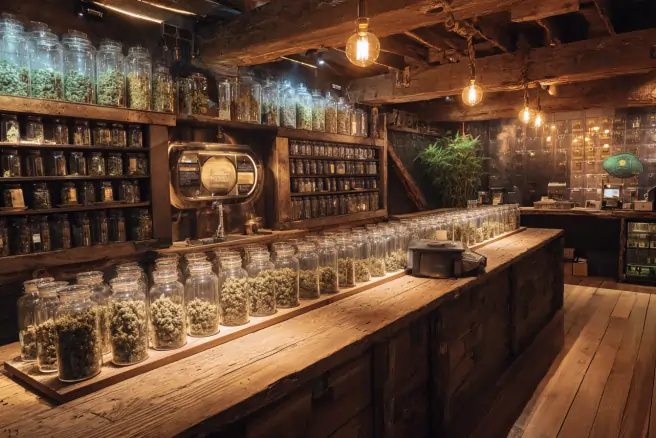
Glass jars filled with cannabis buds on counter stock photo

The legalization and regulation of recreational cannabis sales have had a profound impact on local communities across various regions. Beyond the obvious economic gains, dispensaries contribute to community welfare, create jobs, and stimulate other sectors of the economy. Below are some of the key ways in which recreational cannabis sales have positively influenced local areas.

Driving Economic Growth with Cannabis Dispensary Akron, OH Jobs

  • Budtenders: Retail specialists who educate customers about cannabis products.
  • Cultivators: Professionals responsible for growing high-quality cannabis.
  • Processing Technicians: Staff involved in packaging and preparing products for sale.
  • Security Personnel: Employees ensuring dispensary safety and compliance.

In addition to these direct roles, ancillary industries also benefit significantly: – Construction companies working on dispensary buildouts. – Marketing agencies focused on branding and promotions for dispensaries. – Technology providers, such as point-of-sale systems tailored for cannabis retail.

How a Marijuana Store in Akron Can Boost Tax Revenue

State Total Cannabis Tax Revenue (2022) Key Areas Funded
Colorado $400 million Education, public health
California $1 billion Homelessness initiatives, parks
Illinois $445 million Mental health services, safety

This influx of revenue allows municipalities to address long-standing social challenges while improving quality of life for residents.

Supporting Community Programs Through Your Akron Weed Shop

  1. Investing in education through scholarships or school construction projects.
  2. Funding addiction recovery centers to address substance use disorders unrelated to cannabis.
  3. Supporting social equity initiatives aimed at rectifying past harms caused by cannabis prohibition policies.

These efforts demonstrate how regulated cannabis markets can be leveraged as tools for societal improvement.

Reduction in Illegal Market Activity

The establishment of legal dispensaries curbs illegal market activity by providing safer alternatives for consumers. Licensed dispensaries offer tested, properly labeled products, reducing risks associated with unregulated goods often sold in illicit markets. This shift not only protects consumers but also redirects money away from criminal enterprises into legitimate businesses that support the community.

Improved Public Health Through Regulation

Legalization allows governments to impose strict regulations related to product testing, labeling, and sale practices within dispensaries: – All products must undergo laboratory testing to ensure safe THC levels and absence of harmful contaminants (e.g., pesticides or heavy metals). – Child-resistant packaging reduces accidental ingestion risks among minors. – Consumers gain access to educational resources about responsible use provided by trained staff within licensed facilities.

Thus, public health outcomes improve when safe products replace unregulated ones widely available in black markets.

Recreational cannabis legalization is more than an economic boon; it fosters healthier communities while funding critical public services. By prioritizing regulation, transparency, and taxation strategies that benefit everyone involved—from consumers to policymakers—local communities can continue experiencing long-term positive impacts from this emerging industry.

Key Insights You Need to Know About Dispensaries and Recreational Cannabis

The growth of recreational cannabis has had a profound impact on public perception, business development, and local economies. Dispensaries are at the heart of this transformation, serving as the primary link between cannabis producers and consumers. As legalization becomes more widespread, understanding key insights about dispensaries and recreational cannabis is essential for policymakers, industry stakeholders, and the general public.

The Role of Dispensaries in Legal Cannabis

  • Product Variety: Offering a wide range of cannabis products such as flowers, edibles, concentrates, tinctures, and topicals to meet diverse consumer needs.
  • Consumer Education: Providing information about product potency, effects, dosage guidelines, and responsible use to promote safe consumption practices.
  • Community Impact: Partnering with local businesses for supply chain support while promoting social equity programs in some regions.

Benefits of Recreational Cannabis Legalization

  1. Economic Growth: Legal dispensaries create jobs in cultivation, retail operations, quality assurance testing, marketing, delivery services, and more.
  2. Tax Revenue: States with legalized cannabis generate millions in tax revenue annually that can be reinvested into education systems, infrastructure projects, or public health initiatives.
  3. Reduced Black Market Activity: Regulated dispensaries minimize illegal sales by providing consumers with safer alternatives.
State 2022 Cannabis Tax Revenue Population (Approx.) Revenue per Capita
California $1 billion+ 39 million $25+
Colorado $325 million 5.8 million $56+
Illinois $445 million 12.7 million $35+

Consumer Trends Influencing Dispensary Operations

  • Product Innovation: Demand for new product formats such as beverages or low-dose edibles is reshaping inventory strategies at dispensaries.
  • E-Commerce Growth: COVID-19 accelerated online ordering systems allowing curbside pickups or direct home deliveries becoming standard practice due consumer demand shifts convenience ease post-pandemic world .

How Weed Dispensaries Akron Ohio Contribute to Community Growth Through Tax Revenue

The legalization of recreational cannabis sales has introduced a new and significant revenue stream for local and state governments. The taxes collected from cannabis sales are being channeled into various programs and initiatives that directly benefit communities. Below, we explore the multiple ways in which this influx of tax revenue is supporting community growth.

Allocation of Cannabis Tax Revenue

Governments often allocate cannabis tax revenue to key areas such as education, public health, infrastructure, and social equity programs. This structured approach ensures that the funds are used to address pressing community needs.

Common Areas for Cannabis Tax Revenue Allocation:
Education Programs:
– Funding for public schools
– Development of drug education and prevention programs
– College scholarships for low-income students

  • Mental health services
  • Substance abuse treatment centers
  • Public awareness campaigns around responsible cannabis use
  • Road improvements and public transportation projects
  • Park renovations and green spaces development
  • Grants for communities disproportionately affected by previous cannabis prohibition policies
  • Business loans and support for minority-owned dispensaries

How Much Revenue Is Generated?

State Year Legalized Annual Tax Revenue (Approx.) Population (Millions)
Colorado 2014 $400 million 5.8
California 2016 $1 billion 39.5
Illinois 2020 $450 million 12.7

This consistent revenue growth highlights how dispensaries contribute substantially to state budgets.

Addressing Local Funding Gaps

In many regions, funds generated from cannabis taxes are filling critical gaps left by traditional funding sources. For instance: – Cities with strained budgets now use these revenues to hire additional teachers or improve school facilities. – Public health departments can expand access to mental health care services. – Social equity programs offer financial support to individuals seeking to enter the industry.

Challenges in Revenue Allocation

While the benefits are noteworthy, challenges remain regarding how these funds are allocated: 1. Ensuring equitable distribution across urban and rural areas. 2. Avoiding over-reliance on cannabis tax revenues for essential services. 3. Balancing administrative costs with community-focused spending initiatives.

Efforts to address these challenges include creating transparent reporting systems so taxpayers can track where their contributions are being spent effectively.

Long-Term Community Impact

When managed responsibly, tax revenue from recreational cannabis sales serves as an engine for long-term community development: – Improved infrastructure attracts more businesses and residents. – Expanded educational opportunities create higher-skilled workforces. – Healthier communities foster better economic outcomes overall.

Tax dollars generated through dispensary operations not only provide immediate financial relief but also lay the groundwork for sustainable growth across diverse sectors within local economies.

The Impact of Increased Customers on Dispensary Operations During Recreational Cannabis Launch

The launch of recreational cannabis sales often creates a significant surge in customer traffic for dispensaries. This increase can have both short-term and long-term impacts on operations. Understanding how dispensaries prepare for and manage this influx of customers is critical for ensuring a smooth transition into the recreational market.

Anticipating Customer Demand

Dispensaries typically experience a dramatic rise in foot traffic during the early days of recreational cannabis availability. To manage this demand effectively, many dispensaries implement strategies such as:
Increasing inventory levels: Popular products, including pre-rolls, edibles, and flower varieties, are stocked in larger quantities to meet customer expectations.
Expanding employee capacity: Additional staff members are hired or temporarily brought in to handle the increased volume of customers.
Adjusting store hours: Extending operating hours to serve more customers without sacrificing service quality.

Operational Adjustments During High-Traffic Days

To accommodate increased customer flow, dispensaries often make specific operational changes aimed at maintaining efficiency and reducing wait times:
1. Queue Management Systems
– Digital check-in systems to streamline the flow of customers through the store.
– Virtual queues that allow customers to wait outside or nearby while maintaining their place in line.

  1. Many dispensaries offer pre-order options where customers can reserve products online and pick them up via dedicated express lanes.
  2. Employees may undergo additional training to improve speed and accuracy when handling sales transactions or providing product recommendations.

Challenges Faced by Dispensaries

Despite careful preparation, dispensaries often encounter challenges during the recreational cannabis rollout:
Supply Chain Constraints: Limited availability of certain cannabis strains or products due to high demand and supplier bottlenecks.
Long Wait Times: Even with efficient systems in place, lines can extend significantly during peak hours, leading to potential customer dissatisfaction.
Regulatory Compliance Issues: Ensuring that all operations adhere strictly to local laws, especially regarding age verification and purchase limits.

Data Insights From Previous Launches

State Peak Traffic Increase (%) Average Wait Time (Minutes) Top-Selling Product Revenue (First Day)
Colorado 150% 45 Flower $1M
California 200% 60 Edibles $3M
Illinois 175% 50 Pre-rolls $5M

These numbers demonstrate that proper planning is essential not only for capturing revenue but also for building a positive reputation among new recreational customers.

Long-Term Implications for Dispensary Operations

While the initial rush can strain resources, it also provides valuable lessons for optimizing future operations: – Investing in scalable systems like inventory management software. – Developing stronger relationships with suppliers to avoid product shortages. – Creating tailored marketing campaigns based on early sales data trends.

By addressing these factors proactively, dispensary operators can not only navigate the challenges associated with increased traffic but also position themselves as leaders in their local markets over time.

Trimmed cannabis buds, stored in a glass jars stock photo

The Impact of Increased Customers on Dispensary Operations During Recreational Cannabis Launch

The launch of recreational cannabis sales often brings a surge in customer demand, significantly impacting dispensary operations. As excitement builds, businesses must navigate various challenges and adjust their workflows to ensure smooth operations while maintaining compliance with regulations. Below is an exploration of how increased customers affect dispensary operations during a recreational cannabis rollout.

Operational Challenges During Launch Days

  • Long Wait Times: The influx of new customers can overwhelm staff and systems, leading to extended wait times that can negatively impact customer satisfaction.
  • Inventory Management: Predicting demand for specific products can be difficult, which may lead to stock shortages or overstocking less desirable items.
  • Compliance Monitoring: With increased foot traffic, ensuring all transactions adhere to local and state regulations becomes more complex.
  • Staffing Needs: Many dispensaries require additional staff or extended shifts to meet the increased demand, which may strain existing employees.

Strategies for Managing Increased Demand

  • Implement Online Ordering: Allowing customers to place orders online reduces in-store congestion and improves efficiency.
  • Hire Temporary Staff: Employing additional team members during launch periods ensures that the business has adequate support for handling large crowds.
  • Utilize Queue Management Systems: Digital queuing tools can streamline the check-in process while minimizing customer frustration due to long lines.
  • Optimize Staff Training: Ensuring all employees are well-trained in compliance and customer service prepares them to handle high-pressure situations.

Economic Benefits Despite Challenges

Benefit Explanation
Increased Revenue A higher volume of sales generates significant revenue within a short period.
Expanded Customer Base Launches attract first-time buyers who may become repeat customers.
Brand Visibility High traffic boosts awareness of the dispensary within the local community.
Supplier Partnerships Greater demand fosters stronger relationships with suppliers and cultivators.

Long-Term Impacts on Dispensary Operations

The initial surge in customers provides valuable insights that influence long-term operational strategies. Dispensaries gain data on purchasing trends, popular products, and peak shopping times, which can inform future inventory management practices. Additionally, lessons learned during launch days often lead to improved workflows and enhanced customer experiences.

By addressing these challenges head-on with strategic preparation and adaptability, dispensaries can not only survive but thrive as they navigate one of the most exciting periods in their business lifecycle.

How Dispensaries Generate Significant Revenue on the First Day of Recreational Marijuana Sales

The first day of recreational marijuana sales is a pivotal moment for dispensaries. It often represents a culmination of months or even years of preparation, regulatory compliance, and community outreach. This day is not only significant for dispensaries but also for local economies and customers who have eagerly awaited legal access to cannabis. Below, we explore how dispensaries generate substantial revenue on this inaugural day.

High Demand from Excited Customers

When recreational marijuana becomes legal in a state or region, there is typically a surge in demand from customers. This includes both seasoned cannabis users and those who are new to the market but curious about the experience. The reasons behind this increased demand include:
Curiosity: Many first-time buyers want to explore cannabis products now accessible without medical restrictions.
Novelty: The excitement surrounding the legalization encourages people to visit dispensaries on opening day.
Stockpiling: Some customers buy larger quantities due to concerns about supply shortages or price changes in the future.

This high demand translates into immediate, significant revenue for dispensaries as they cater to large customer volumes.

Strategic Marketing Campaigns

Dispensaries that plan ahead often use targeted marketing campaigns to maximize their revenue potential on launch day. Popular strategies include:
– Offering grand opening discounts or promotional deals to incentivize purchases.
– Pre-order options through online platforms that allow customers to secure products ahead of time, ensuring efficient transaction processes during peak hours.
– Partnering with local businesses or media outlets for advertising and cross-promotion opportunities.

These efforts help attract large crowds and establish brand loyalty right from the start.

Product Variety Plays a Key Role

Another factor driving high revenues is the wide range of products most dispensaries prepare for launch day, ensuring they can meet diverse customer needs. Typical product categories available include:
1. Flower: Classic cannabis buds popular among traditional consumers. 2. Edibles: Infused products such as gummies, chocolates, and beverages. 3. Vape Products: Cartridges and disposable pens catering to users seeking smoke-free options. 4. Concentrates: Potent extracts like waxes and oils attracting seasoned users. 5. Topicals: Creams, balms, and lotions infused with THC or CBD for localized relief.

By offering an extensive inventory, dispensaries ensure higher transaction values per customer while also showcasing their ability to serve various preferences.

Revenue Figures from Other Markets

State / Region First-Day Revenue Generated Notes
Illinois (2020) $3.2 million Over 77,000 transactions recorded statewide
Michigan (2019) $221,000 Limited number of licensed retailers at launch
Massachusetts (2018) $2 million Generated over two days by two operational stores

These numbers highlight how significant revenue generation on launch day is a common occurrence across regions.

Operational Preparedness Is Crucial

To handle large crowds efficiently while maintaining compliance with state regulations, many dispensaries implement robust operational plans: – Hiring additional staff for customer assistance and point-of-sale operations. – Increasing security measures due to higher cash transactions. – Regularly restocking inventory throughout the day based on real-time sales data.

Such preparations ensure smooth operations while optimizing profit margins during this critical period.

The first-day success often sets the tone for long-term growth, positioning dispensaries as major contributors within the newly legalized cannabis market landscape.

The Evolution of Dispensaries and Their Role in the Expanding Cannabis Industry

As the cannabis industry continues to grow exponentially, dispensaries have evolved into more than just retail spaces. They are now key players in a multi-billion-dollar industry that drives innovation, supports local economies, and helps normalize the use of cannabis for both medical and recreational purposes. Understanding the progression of dispensaries highlights their role in shaping this dynamic market.

Early Days: Medical-Only Dispensaries

The first dispensaries emerged primarily to serve medical cannabis patients. These early establishments were often small operations focused on providing access to individuals with specific health conditions. Some key characteristics of early dispensaries included: – Limited product selection: Primarily dried flower and basic edibles. – Medical focus: Patients needed a prescription or recommendation from a healthcare provider. – Strict regulations: Many operated under stringent state laws, often facing legal challenges.

These dispensaries paved the way for normalizing cannabis by demonstrating its benefits for managing chronic pain, anxiety, epilepsy, and other health issues.

Transition to Recreational Sales

The legalization of recreational cannabis in various states marked a significant shift for dispensaries. They transformed from specialized medical providers into full-scale retail businesses catering to a broader audience. This transition brought notable changes: – Expanded product offerings: Inclusion of beverages, concentrates, topicals, pre-rolls, and accessories. – Enhanced customer experience: Modern dispensaries began adopting sleek designs resembling boutique shops or wellness centers. – Improved accessibility: Locations expanded into suburban areas and urban centers.

Recreational legalization also introduced challenges such as increased competition and the need to educate first-time consumers about responsible usage.

Modern Dispensary Trends

Today’s dispensaries are sophisticated businesses that blend retail expertise with a deep understanding of consumer needs. Several trends define their modern evolution: 1. Technology Integration – Online ordering platforms for pickup or delivery. – Digital payment solutions where legally permitted. – Data analytics to track inventory and predict demand trends.

  1. Employing knowledgeable staff (often referred to as “budtenders”) trained to guide customers on product selection.
  2. Hosting community workshops or educational sessions on safe cannabis consumption.
  3. Eco-friendly packaging solutions aimed at reducing waste.
  4. Partnerships with cultivators who prioritize sustainable farming practices.
  5. Increased outreach efforts towards older adults exploring cannabis for wellness purposes.
  6. Inclusion-focused marketing appealing to typically underserved groups within the community.

Economic Impact

Dispensaries now play an essential role in bolstering local economies through job creation and tax revenue generation. According to recent studies: | Metric | Impact | |——————-|——————————————–| | Jobs Created | Thousands of new positions in retail, cultivation, distribution, and logistics sectors. | | Tax Contributions | Billions contributed annually toward public programs like education and infrastructure.|

The Future Role of Dispensaries

As legalization expands across more regions globally, dispensaries will likely continue evolving as innovation hubs within the industry: – Partnerships with researchers studying potential therapeutic applications of cannabinoids. – Incorporation of augmented reality (AR) or artificial intelligence (AI) tools for personalized shopping experiences. – Expansion into international markets as global legalization progresses.

Cannabis dispensaries have come a long way from their modest beginnings as medical outlets. Today they stand at the forefront of an industry that is not only rapidly expanding but also redefining perceptions around cannabis use worldwide. Their adaptability will remain critical as they navigate changing regulations, consumer preferences, and market dynamics moving forward.